About 63 minutes
The Origin of the Mound Builders — Reading Notes
Ancient Civilizations
14,298 recorded words. 2 minutes difference from this book's estimate.
View Gutenberg source #64485
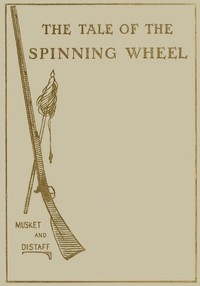
For The Tale of the Spinning Wheel — Reading Companion, the stored edition analysis reports 13,873 words, 1 hr 1 min estimated reading time, and 8 detected text sections.
The text analysis averages about 27.1 words per sentence, while the detected sections provide another way to judge how the source is divided.
Project Gutenberg metadata also associates the work with “Spinning,” connecting these edition facts with the source record’s subject description.
Explore this collection
These alternatives are selected using recorded categories and estimated reading time.
About 63 minutes
Ancient Civilizations
14,298 recorded words. 2 minutes difference from this book's estimate.
View Gutenberg source #64485About 64 minutes
Ancient Civilizations
14,562 recorded words. 3 minutes difference from this book's estimate.
View Gutenberg source #2995About 55 minutes
Ancient Civilizations
12,499 recorded words. 6 minutes difference from this book's estimate.
View Gutenberg source #51322Search stored excerpts and compare books → Choose by your preferences →
Choices use stored catalog measurements. Estimates vary with reading speed. A shared category is a catalog label, not a claim that two books have the same argument or literary quality.
Search reads excerpt text stored with this catalog and links to its associated Gutenberg record. The connection is stored in the site database; this tool does not recheck that every excerpt is word-for-word identical to that external record. Excerpt search does not cover every chapter and does not verify historical publication dates.
Catalog snapshot checked: 2026-09-26. Coverage: 97 public books, 97 available source excerpts.
Calculated from edition completeness, EPUB availability, text structure and catalogue metadata. Not a user rating.
Total of 100 points, scaled to a 2.5-5.0 range. Editions with an empty description or a missing EPUB file are not scored.
Public-domain source text
The source text is kept in the dedicated reader, separate from this catalogue record and its commentary.
The opening of The Tale of the Spinning-Wheel immediately establishes the spinning wheel as a symbol of woman's labor, calling it "homely" in the old sense of belonging to the home. The author links home-made and home-spun to the lives of foremothers, setting a reverent tone. This initial framing invites readers to view the wheel not as a mere tool but as an emblem of domestic virtue and historical continuity.
The early pages move from general praise to concrete evidence. Buel quotes a 1801 advertisement from the Hartford Courant for two-handed wheels, noting they were "highly recommended to young Women" for faster spinning. This shift from abstract symbolism to period documents grounds the narrative in primary sources. Readers should note how the author weaves these advertisements and legal mandates—such as Connecticut and Massachusetts laws requiring flax spinning—into a broader argument about the wheel's cultural importance.
The middle excerpts introduce spinning matches, where women competed for speed and endurance. Buel recounts a 1772 contest in Goshen, Connecticut, where Lydia Beach spun seven runs in a day, described as "three and a half days’ labour." The account includes a dramatic moment when Captain Pratt forbade his wife from continuing, and she wept. These anecdotes reveal social dynamics: ambition, marital authority, and the physical toll of such feats. The author uses these stories to illustrate the wheel's role in community life and personal reputation.
Buel repeatedly connects spinning to religious and civic events. She notes a 1754 gathering on Boston Common where spinsters were preached to and a collection of £453 taken. Another item from the Litchfield Monitor describes a pastor entertaining female parishioners with a sermon after they donated yarn. These examples show how spinning intertwined with church and charity. Readers should observe how the author treats these events as evidence of a moral economy, where labor and faith reinforced each other.
Throughout the excerpts, Buel relies on quoted documents—newspapers, addresses, and footnotes—to build her case. The later sections continue this pattern, though the provided text cuts off before the conclusion. A first reader should pay attention to how the author balances her own commentary with these sources. The tone remains celebratory, but the method is archival. The book reads less as a continuous narrative and more as a curated collection of historical fragments, each supporting the central thesis about the spinning wheel's dignity.
As you read, note how Buel's use of primary sources—advertisements, legal records, and personal anecdotes—shapes the book's argument. The spinning wheel emerges not just as a tool but as a lens through which to view colonial and early American women's lives. The author's reverence is clear, but the evidence she presents invites readers to draw their own conclusions about the balance between celebration and historical reality.
Reading about the spinning wheel as a domestic emblem, I remembered my grandmother’s hands on her own wheel’s worn wood—how that hum meant home. The same quiet ache surfaced when Royal Romances of To-day — Reading Companion framed its royals not as distant figures but as hearth-side presences. Both books turn objects and anecdotes into gentle invitations to sit a while longer, remembering.
Build a private reading journal entry for this title.