
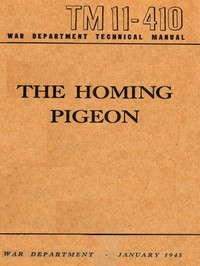
The Homing Pigeon by United States. Army. Signal Corps et al.
This isn't a novel. 'The Homing Pigeon' is a technical field manual, published by the U.S. War Department in 1924. It was written for soldiers in the Signal Corps, the guys responsible for army communications. The book lays out, in clear, step-by-step detail, how to establish and maintain a pigeon messaging service for military operations.
The Story
There's no traditional plot, but there is a clear narrative of preparation and execution. The manual walks you through the entire life cycle of a military pigeon. It starts with selecting the right birds—not just any pigeon will do—and building the mobile lofts that follow the troops. Then comes the intense training: teaching the birds to 'home' to a specific location, often while being transported in dark, jostling baskets. The core of the book is the operation: how to attach the message capsule to the bird's leg, the best way to release it, and the grim statistics on survival rates. It covers everything from diet and veterinary care to defending the loft from animal attacks. The 'story' is the meticulous, life-or-death process of creating a living, feathered telegraph system.
Why You Should Read It
I loved this because it's a masterclass in practical problem-solving. The tone is dry and official, but the content is gripping. You see the immense value placed on reliability. In an era of advancing technology, here was a system that couldn't be wiretapped or jammed (except by a well-aimed shotgun). Reading the precise instructions for feeding and handling, you feel the weight of responsibility. A soldier's life could literally depend on the health of these birds. It flips the script on how we view technology. Sometimes, the most advanced tool is one bred by nature and perfected by patience. It also, quietly, highlights the animals' role in war—they were drafted, too, and this manual was their drill sergeant.
Final Verdict
This is a hidden gem for a specific reader. It's perfect for history buffs, military enthusiasts, or anyone fascinated by unusual professions and animal training. If you enjoy primary sources that drop you straight into a different time, this is a direct line to 1924. It's not a leisurely read; it's a document. But within its pages, you'll find a surprising amount of tension, respect, and a stark reminder of the low-tech ingenuity that shaped high-stakes history. Just don't expect any characters or plot twists—unless you count a well-trained pigeon dodging a hawk as a cliffhanger.
This digital edition is based on a public domain text. It is now common property for all to enjoy.
Karen Brown
9 months agoIt’s refreshing to see such a high standard of digital publishing.
Matthew Thompson
8 months agoIf you're tired of surface-level information, the quality of the diagrams and illustrations (if applicable) is top-notch. I'm genuinely impressed by the quality of this digital edition.
Margaret Thompson
8 months agoI found the author's tone to be very professional yet accessible, the evidence-based approach makes it a very credible source of information. Well worth the time invested in reading it.
Linda Thompson
8 months agoFrom a researcher's perspective, the historical context mentioned in the early chapters is quite enlightening. The insights gained here are worth every minute of reading.









Joseph Garcia
6 months agoI've gone through the entire material twice now, and the author’s unique perspective adds a fresh layer to the discussion. I'm glad I chose this over the other alternatives.