
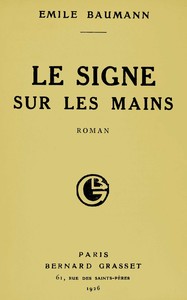
La vie littéraire. Deuxième série by Anatole France
Forget plot twists and character arcs. This book is a collection of literary criticism, but it feels more like a series of brilliant, casual conversations. Anatole France, who won the Nobel Prize in Literature, wrote these pieces as newspaper columns. In them, he reacts to the literary world around him—new novels, poetry collections, and even reissues of ancient texts. He writes about everyone from the Greek poet Homer to his own contemporaries, creating a snapshot of what people were reading and arguing about in the Belle Époque.
The Story
There's no single story. Instead, each essay or review is its own little world. One moment, France is dissecting the moral philosophy in a new novel. The next, he's marveling at the vivid imagery in a book of poems or chuckling over the quirks of a long-dead historian. He moves effortlessly from serious analysis to playful sarcasm. Reading it is like following a very smart, slightly mischievous guide through a grand library. He points out the hidden gems, scoffs at the overrated bestsellers of his time, and shares why certain old books still feel alive. The 'narrative' is the journey of his own curious, skeptical, and deeply humane mind engaging with the written word.
Why You Should Read It
First, it completely shatters the idea that literary criticism has to be stuffy or boring. France's voice is so personal and direct. You get his honest opinions, his pet peeves, and his genuine enthusiasms. Second, it's a masterclass in how to think about art. He shows that you can respect a writer's skill while disagreeing with their ideas, or love a book even while seeing its flaws. His insights are timeless. The debates about art, morality, and beauty he had over 100 years ago are still happening today. Finally, it's just fun. His wit is sharp, and his love for a good sentence is contagious. You'll come away wanting to read (or re-read) half the books he mentions.
Final Verdict
This book is perfect for curious readers and aspiring writers who enjoy seeing how a great mind works. It's for anyone who has ever finished a book and wanted to talk about it with a really insightful friend. If you like the idea of time-traveling to a Parisian café for a chat about books with a Nobel laureate, this is your ticket. It's not a light beach read, but it's a deeply satisfying and surprisingly entertaining journey into the heart of why we read.
This book is widely considered to be in the public domain. Use this text in your own projects freely.
Mary Lee
1 year agoI was particularly interested in the case studies mentioned here, the objective evaluation of the pros and cons is very refreshing. It definitely lives up to the reputation of the publisher.
Margaret Gonzalez
11 months agoRight from the opening paragraph, the evidence-based approach makes it a very credible source of information. A trustworthy resource that I'll keep in my digital library.
Patricia Lee
3 months agoUnlike many other resources I've purchased before, the transition between theoretical knowledge and practical application is seamless. If you want to master this topic, start right here.
Jennifer Martinez
3 months agoGreat value and very well written.




Christopher Lopez
9 months agoAfter spending a few days with this digital edition, the cross-referencing of different chapters makes it a great study tool. I feel much more confident in my knowledge after finishing this.